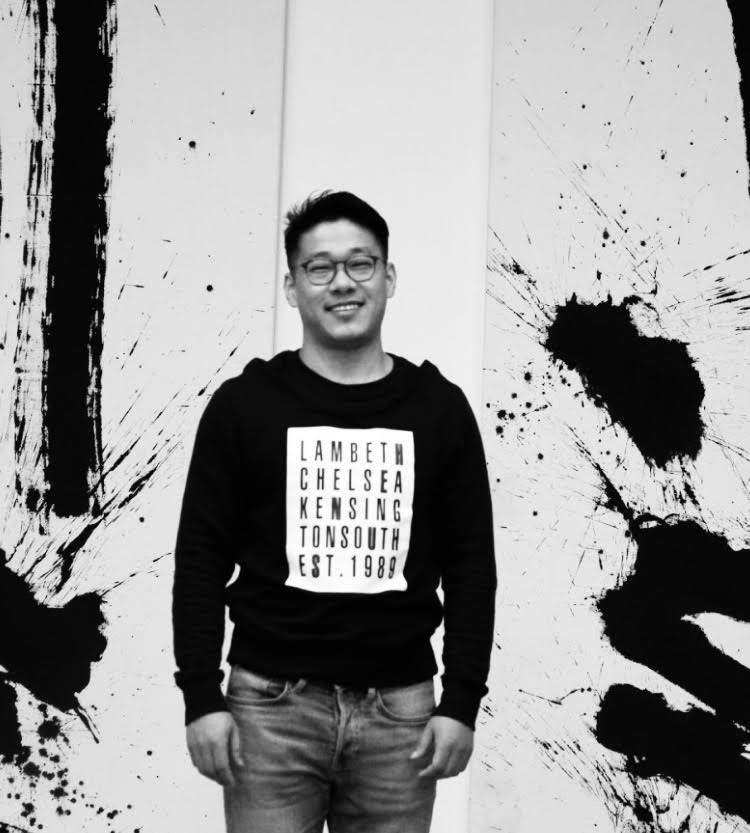
I am a Postdoctoral Research Fellow at the Laboratory of Integrative Cancer Immunology, National Cancer Institute (NCI), National Institutes of Health (NIH) in Bethesda, Maryland. Previously, I worked as a Postdoctoral Fellow at Dalhousie University under the supervision of Dr. Shashi Gujar and Dr. Tobias Karakach. I also briefly served as a Postdoctoral Researcher at the Cancer Mutation Research Center, Chosun University, South Korea.
I earned my Master’s degree in Information Technology from the Department of Computer Science and Engineering at Tezpur University, where I applied data mining techniques to identify protein complexes in protein–protein interaction networks under the guidance of Prof. Rosy Sarmah. The outcomes of my graduate research were published in peer-reviewed journals and led to my doctoral training in South Korea. I completed my Ph.D. in Bioinformatics at the Department of Biomedical Sciences, Chosun University, under the supervision of Prof. Seung Joo Cho.
Over the years, I have developed strong programming skills in R , C , C++ , Java , and Python . I implemented several methods proposed in my Master’s dissertation using Java APIs; the corresponding software and executables are available here. During my graduate and doctoral training, I gained extensive experience in data mining of protein–protein interaction networks and molecular modeling techniques, including protein modeling, molecular docking, molecular dynamics simulations, enhanced sampling methods, free-energy calculations, virtual screening, and linear modeling using 3D quantitative structure–activity relationship (3D-QSAR) analysis.
During my postdoctoral fellowship at Dalhousie University, I worked on collaborative projects involving RNA-sequencing and whole-exome/genome sequencing data from Mantle Cell Lymphoma (MCL) patients to identify genomic mutations and differentially expressed genes associated with MCL. This work included the identification and generation of MCL-specific and mutation-associated antigens through mutation analysis and epitope prediction and is ongoing in Dr. Shashi Gujar’s laboratory. I also contributed to an error-modeling project aimed at characterizing error structures in LC-MS/MS proteomics data.
In my current role at the NIH, I apply bioinformatics approaches to study and characterize immune cell populations in glioblastoma. In my recent project, we studied the role of MAIT cells in Glioblastoma and found that MAIT cells are found in the gliioblastoma tumor. These MAIT cells showed high expression of the transcription factor gene RORC involved in MAIT17 development. Our study found that MAIT cells could play an immunosupressive role in the glioblastoma through an IL17 signalling mechanism.